We are excited to announce a new collaboration with the Multiscale Microscopy Core (MMC) at Oregon Health & Science University (OHSU), bringing QuTEM’s R&D-stage TEM services to the US West Coast.
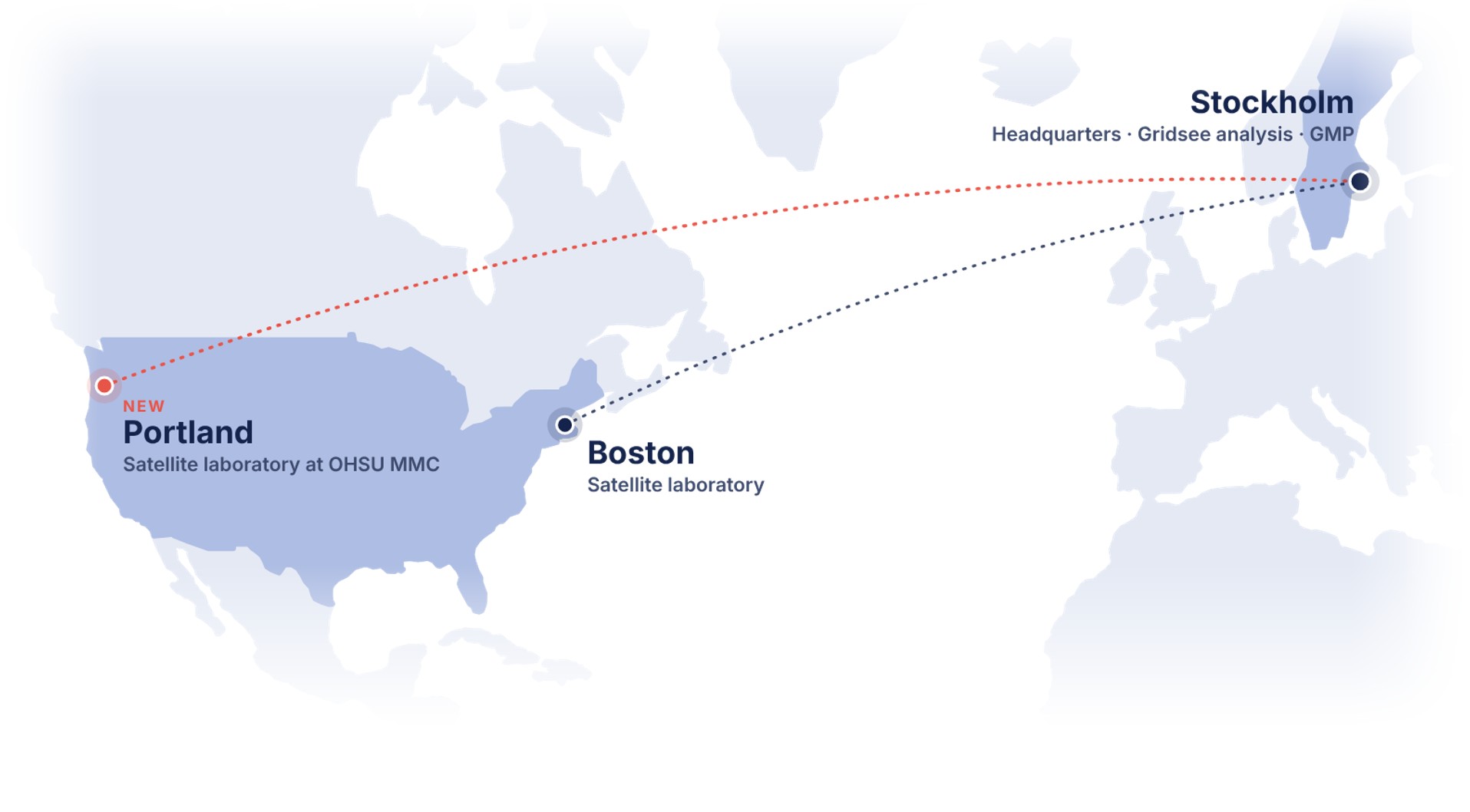
Following the launch of our Boston satellite laboratory earlier this year, Portland becomes our second US satellite laboratory, strengthening our ability to support advanced therapy developers across the country.
Developers of gene therapies and nanomedicines on the West Coast should not have to choose between speed and analytical quality. Our clients in the region saw how well the satellite model works in Boston and asked us for the same service closer to home. We are delighted to answer that request together with OHSU. Listening to our clients and acting on what they need is how we intend to keep growing.
Josefina Nilsson, CEO, QuTEM
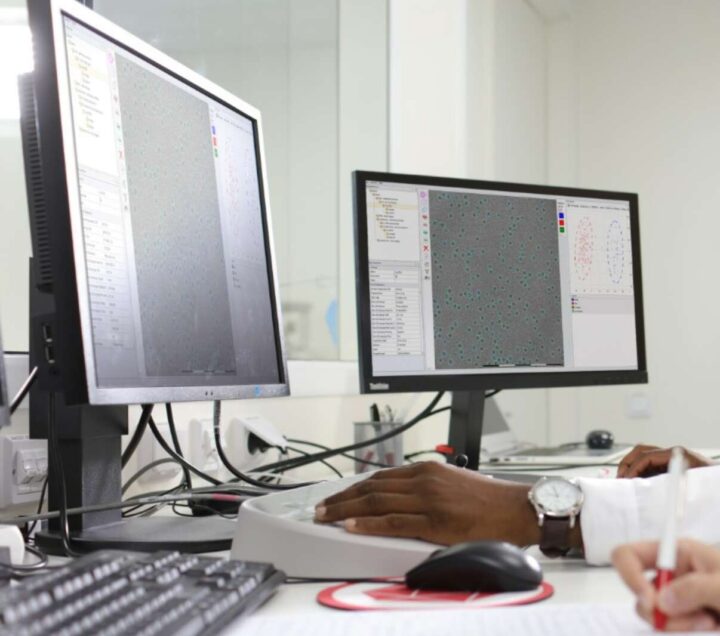
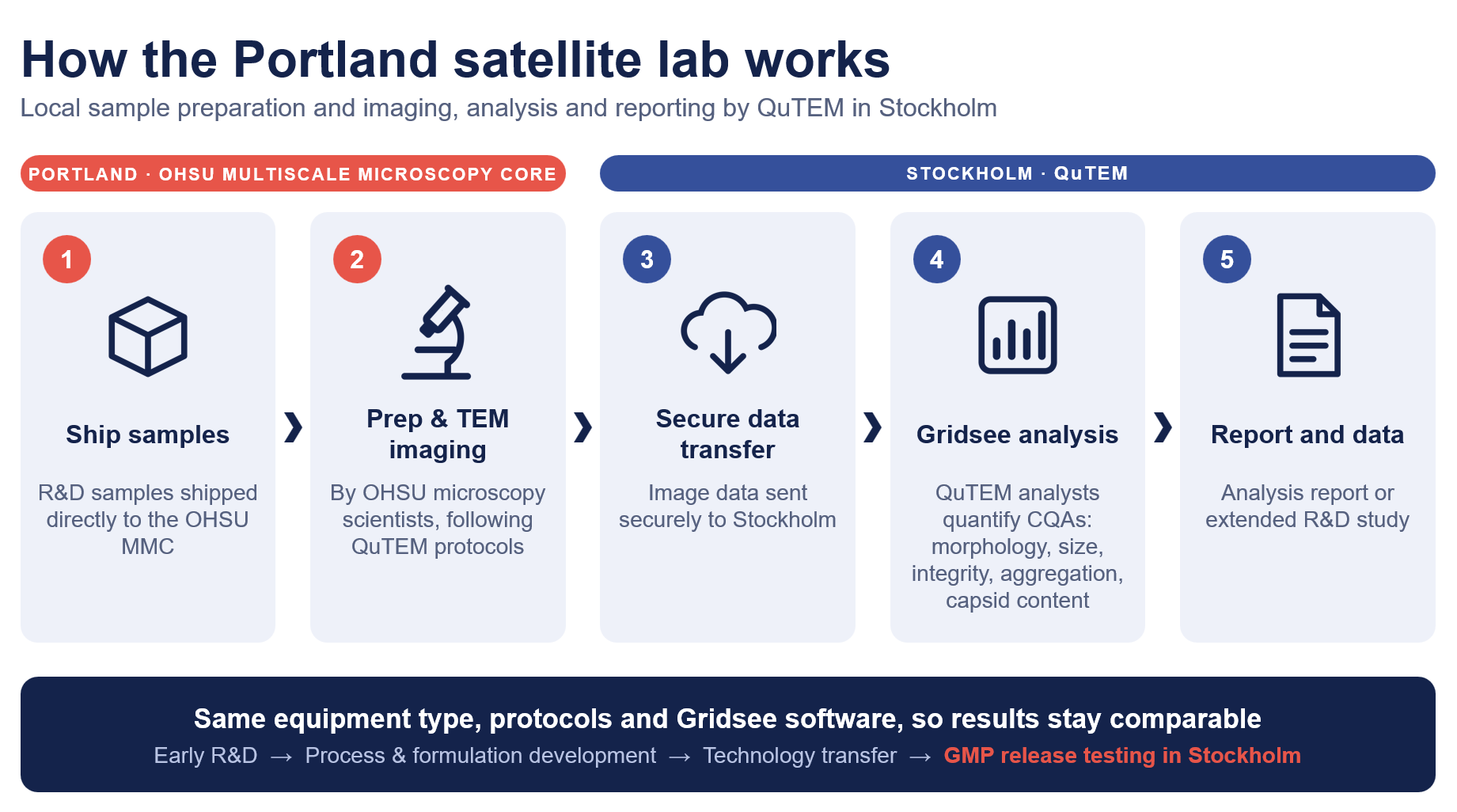
Through this collaboration, West Coast developers can access local sample preparation and TEM imaging at OHSU, combined with QuTEM’s proprietary Gridsee image analysis and expertise in Stockholm.
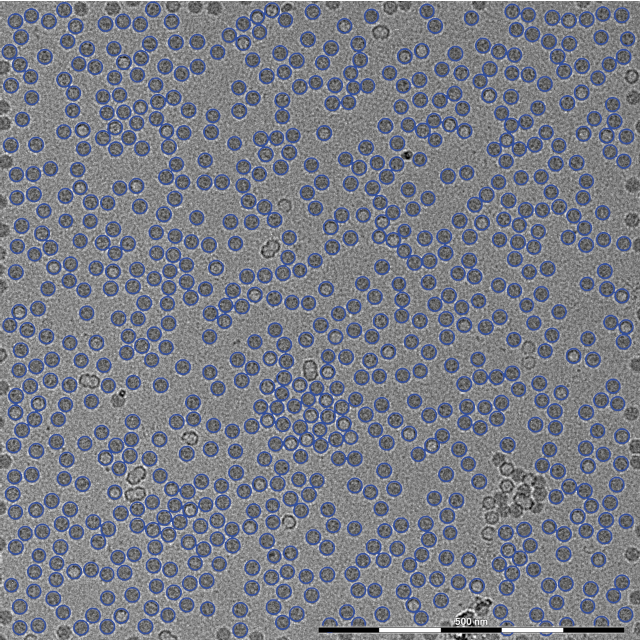
The MMC operates a Biosafety Level 2 (BSL-2) laboratory, so it accepts the same range of samples we analyze in Stockholm: AAV, lentiviral and other viral vectors, lipid nanoparticles (LNPs) and other nanoparticle-based products. OHSU microscopy scientists prepare and image the samples according to QuTEM’s protocols, and our analysts in Stockholm quantify the critical quality attributes with Gridsee.
Closer to West Coast developers
The West Coast is home to a fast-growing community of cell and gene therapy developers, from Seattle to the San Francisco Bay Area and San Diego. With a lab in Portland, these teams can send R&D samples to a domestic site in their own time zone, rather than shipping across the country or the Atlantic. Shorter transit limits exposure to temperature fluctuations and handling, reduces customs and courier risks, and delivers earlier answers for programs on tight timelines.
A direct path from R&D to GMP
Because satellite samples are analyzed with the same type of equipment, protocols and Gridsee software, results stay comparable as programs move toward GMP. Clients receive an R&D analysis report, or can team up with us on more extensive R&D studies, with support from early R&D through process and formulation development and technology transfer to GMP release testing.
About the OHSU Multiscale Microscopy Core
The Multiscale Microscopy Core (MMC) at Oregon Health & Science University provides academic and commercial users with access to advanced electron microscopy platforms, together with project consultation, specimen preparation, imaging and analysis services. Established in 2013 and housed in OHSU’s Robertson Life Sciences Building in Portland, the core’s instruments include a Glacios cryoTEM and a Talos 120C G2 TEM. The collaboration runs under OHSU’s established core service model, while all data analysis, quality review and reporting stay with QuTEM in Stockholm.
TEM services at QuTEM
QuTEM provides GMP-certified TEM services and quality control analysis of nanoparticles for developers of AAV, LNP and other viral vector-based therapies. Our satellite laboratories in Boston and Portland offer the same range of R&D analyses we run in Stockholm, while GMP release testing is performed at our facilities in Stockholm. Having two US sites also adds resilience for time-sensitive programs.
The Portland lab is now open for new US projects. Want to discuss your West Coast program or plan your route to GMP release testing? Contact us at info@qutem.com or get in touch through our contact page.